
Edited by: Ziona Somy | Graphic by: Ethan Kung
Why does caffeine work better for some people and not affect others?
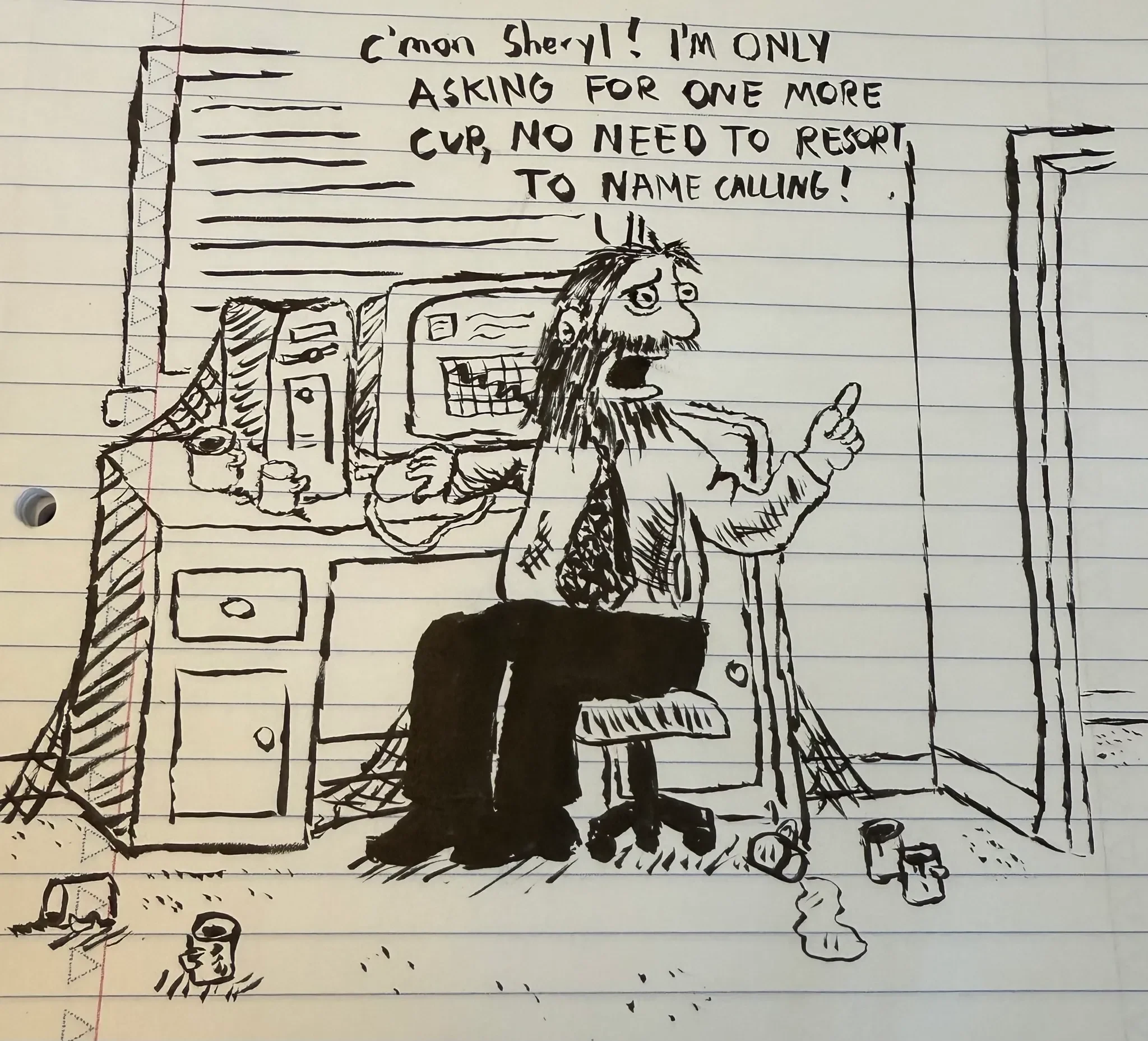
Caffeine is the only widely accepted drug available to our entire population, and it has been greatly normalized among the student community. Whether it’s for a late night study session or an early morning boost, many regard caffeine as a reliable source of energy and a saving grace. However, a subset of people find that this mentality is completely different from what they experience after a sip of coffee. There are several reasons why caffeine acts differently on people, either by eliciting no effect or a sleepiness instead. And what many consider an atypical reaction to coffee is actually quite common among the masses, generally due to metabolism or tolerance related factors.
In order to break down why caffeine works in “unordinary” ways, it is important to first understand how it is expected to work in the first place. La Colombe, a prominent coffee supplier, posted a relevant article on this subject titled, “Why Doesn’t Caffeine Affect Me? (The Science Explained).” According to the article, caffeine, once entering your system, circulates throughout the body before coming into contact with adenosine receptors in the brain. Adenosine is a natural chemical that assists in sending “sleep signals” to the body; however, when caffeine binds to these receptors, sleep signals are consequently suppressed. Caffeine is then metabolized within the liver where the CYP1A2 enzyme breaks the component down, nullifying its effects.
However, this standard procedure can be modified due to varying constraints from genetic or tolerance based outliers. Interestingly, since genetics affects adenosine receptor “stickiness,” some people do not experience a strong binding with caffeine, causing the caffeine they consume to have a lesser effect. An article by Patty Weasler for “verywellhealth” titled “Why Some People Feel Sleepy After Coffee” notes that “99% is absorbed in 45 minutes, reaching peak levels in 1 to 2 hours,” and that it takes around “2.5 to 5 hours for your body to reduce caffeine by half.” He then implies that one such issue causing caffeine ineffectiveness could be that the body metabolizes it far quicker than this. Accordingly, the typical system may experience a quick intake and longer breakdown, determined by genetics. However, as per Caffè Borbone America’s article on The Borbone Blog titled “When Coffee Doesn’t Work: An Exploration of Caffeine Tolerance,” others may clear caffeine from their system more quickly. These individuals experience a shorter caffeine half-life, which “refers to the time it takes for half of the caffeine in the body to be eliminated.” Therefore, those that eliminate caffeine from their system at naturally higher rates experience a sooner rush and consequential dip in energy, rather than a sustained suppression of fatigue, which the aforementioned person can then mistakenly blame on the caffeine not working.
Another important variable affecting one’s response to caffeine is whether or not someone has developed a tolerance to it due to regular intake. According to a healthline.com article titled, “Caffeine Tolerance: Fact or Fiction,” a high “caffeine dose can block up to 50% of adenosine receptors in the brain.” However, as per the same article, regular intake causes the body to adapt to the amount of caffeine it is exposed to, resulting in similar future intake amounts yielding weaker boosts of energy. The article states that “...regularly consuming caffeine increases your body’s production of adenosine receptors and therefore the likelihood of adenosine binding to those receptors.” Tolerance is essentially caused by the body adjusting and providing competition for caffeine by creating more spots for the standard adenosine chemical to reach its intended destination. To counteract this unintended effect of overconsumption, the most successful solution is simply resetting your tolerance by limiting intake. Therefore, professionals recommend that for those who are experiencing a reduced efficiency in their caffeine, it might be a good idea to consider that a “quick ‘caffeine tolerance break’ for a week or two,” might be just what is needed for a system wide restart for these reliable caffeinated beverages to stay rejuvenating instead of tiring.