
Edited by: Gia Birla | Graphic by: Olive Luong
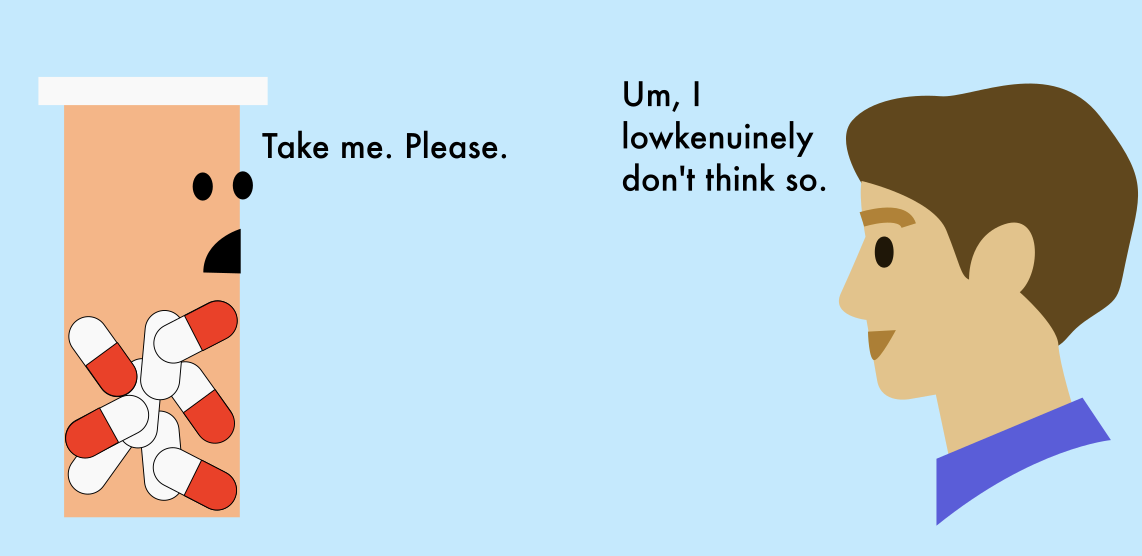
Antibiotic resistance is a global health crisis and needs to be addressed.
Antimicrobial resistance (AR) is quickly becoming a global health emergency, killing 1.27 million people worldwide in 2019, with over 2.8 million AR infections reported in the United States, according to the Centers for Disease Control and Prevention AR Threat Report. Antibiotics are medications prescribed to fight bacterial infections by killing bacteria or reducing their ability to multiply. Antibiotic resistance occurs when bacteria become resistant to the drugs designed to kill them.
Antibiotic resistance occurs naturally but becomes an issue when inappropriate prescriptions are written as a result of over-treatment in United States medical culture, as well as non-prescription antibiotic use. According to a study published in Scientific Reports, antibiotic misuse can “not only reduce treatment efficacy but also accelerate the selection of resistant bacterial strains, thereby compromising future therapeutic options.” Misuse can include not taking the full course, changing the dose, inconsistent dosing, and reusing leftover antibiotics. Overall, improperly taking antibiotics can have lasting impacts on public health as well as personal medical treatment moving forward.
Antibiotic resistance poses a serious threat to people in vulnerable environments like nursing homes and hospitals. As AR increases, so does the possibility of multidrug-resistant bacteria that pose a serious threat to already at-risk groups. That said, the entire population is at risk, as seen in the recent increase in pathogens resistant to almost all (or all) licensed antibiotics.
College students are a crucial group to target when trying to prevent AR. When students enter college, they have the opportunity to become independent health decision makers, which is why they need to be well informed as they progress into adulthood. Students are a key demographic of those improperly taking antibiotics due to social norms, perceived knowledge, and harmful behaviors. According to the same Scientific Reports study, a total of 1,012 university students were polled in a volunteer survey about how they use antibiotics. Two groups were excluded to increase accuracy: those who failed the attention check and duplicate entries. The sample was also biased towards female students who were in healthcare- or science-related majors, skewing the data to more knowledgeable students. Despite having this knowledge base, one shocking result showed that 37.8% of students reported reusing leftovers. This could be a result of students improperly taking the first round (discontinuing early or missing days) and then taking more because the bacteria were not eradicated. Reusing leftover antibiotics is a harmful habit that can change with awareness of the overall impacts of taking antibiotics. What students do when they are sick matters to everyone.
The next time antibiotics are prescribed: do not save them for later, do not share them, do not take antibiotics prescribed to someone else, and do not end the cycle early. Your habits when taking antibiotics are crucial to maintaining healthcare and providing doctors with sufficient medicines to help others. Next time you take antibiotics, think twice about how you are impacting global health.